Biography
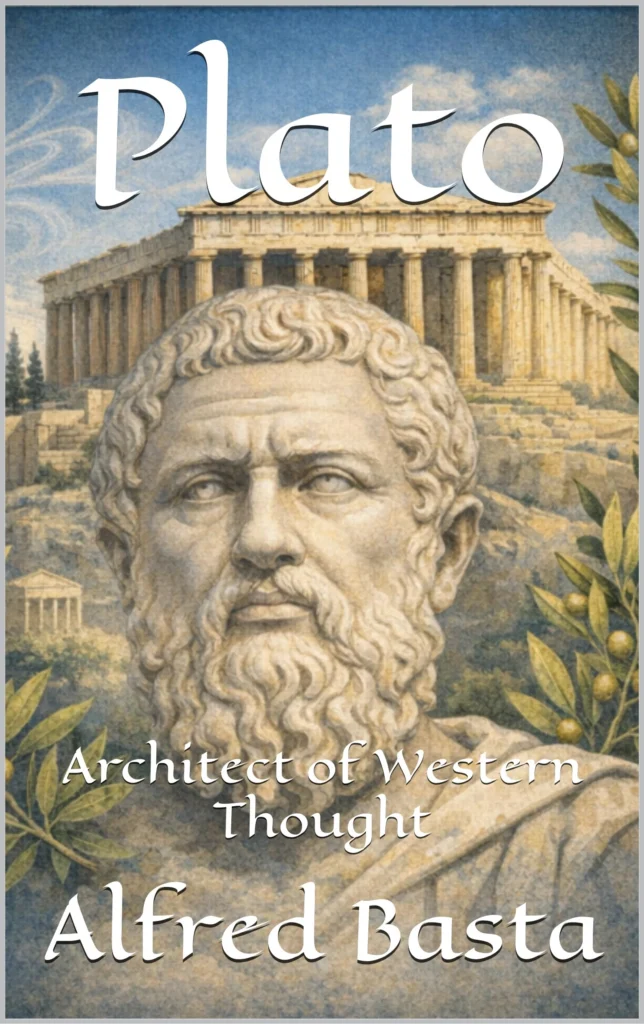
Plato: Architect of Western Thought is a sweeping and richly detailed exploration of the life, mind, and enduring legacy of the philosopher who, more than any other thinker, laid the intellectual foundations of Western civilization.
Plato: Architect of Western Thought is a broad study of Plato’s life, thought, and lasting influence. It presents him as the thinker who, more than any other, laid the intellectual foundations of Western civilization. The story opens in fifth-century Athens, a city shaped by war, political upheaval, and the presence of Socrates, and shows how Plato turned personal grief and philosophical wonder into enduring work. The book covers the founding of the Academy, the Theory of Forms, and the political vision of The Republic, and follows Plato through his travels. It aims to combine scholarly rigor with narrative vitality.
It was written by Alfred Basta, a professor, author, and musician.
It is a biography with a strong philosophical component, which means it tells the story of Plato’s life while explaining the ideas that made him matter.
The page does not name an audience, but its blend of scholarship and storytelling suits general readers and students who want a readable, serious introduction to Plato.
No. Plato: Architect of Western Thought is a standalone book. Readers may also enjoy A Journey Through Western Philosophy by the same author.
Plato: Architect of Western Thought is available in paperback and Kindle editions. The paperback ISBN-13 is 979-8195769734 (530 pages, published May 6, 2026).
Amazon (paperback) | Amazon (Kindle) | Indigo (author page)
Plato: Architect of Western Thought covers Plato’s life in the turbulent world of fifth-century Athens, shadowed by war, political upheaval and the electrifying presence of Socrates. It follows his travels, the founding of the Academy, the dazzling heights of his Theory of Forms, and the bold political vision of The Republic. The book traces every dimension of his genius and explains how he turned personal grief and philosophical wonder into one of history’s most extraordinary intellectual achievements.
Readers of Plato: Architect of Western Thought will learn how one philosopher, more than any other thinker, laid the intellectual foundations of Western civilization. They will understand the Athens that shaped him, the influence of Socrates, the purpose of the Academy, what the Theory of Forms claims, and what The Republic proposes for political life. They will also see the human story of grief and wonder behind the ideas, and why those ideas still shape how the West thinks.
Alfred Basta writes Plato: Architect of Western Thought as a biography with a strong philosophical core, telling the story of Plato’s life while explaining the ideas that made him matter. The description promises both scholarly rigor and narrative vitality, so readers journey alongside Plato through his travels and his founding of the Academy rather than receiving a summary of doctrines. The Theory of Forms and The Republic are presented as achievements of a real person shaped by war, grief and wonder.
Plato: Architect of Western Thought works well for a student new to philosophy because it introduces Plato’s ideas through the story of his life rather than through abstract argument alone. The Theory of Forms and The Republic are explained in the context of fifth-century Athens, Socrates and the Academy, which makes them easier to grasp. Its blend of scholarly rigor and narrative vitality also serves general readers and those who already know the dialogues and want the life behind them.
About the author: Alfred Basta is a professor, author of Ward No. 8 and The Malgrave Letters, and musician as The Bastas Project.
Last updated: October 23, 2026