Apologetics
Creation for Adults - Encyclopaedia Book 5
Can the resurrection of Jesus Christ be defended using historical evidence?
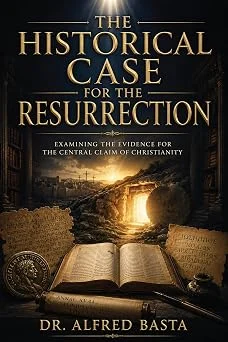
The Historical Case for the Resurrection presents a comprehensive examination of the historical, textual, and archaeological evidence surrounding Christianity’s central claim. Drawing from ancient Roman historians, Jewish sources, early Christian creeds, biblical manuscripts, and modern scholarship, Dr. Alfred Basta builds a systematic case for the bodily resurrection of Jesus Christ.
Inside this book, you’ll discover:
• Historical evidence from Tacitus, Josephus, Pliny the Younger, Suetonius, and other ancient sources
• An analysis of the earliest Christian creeds, including 1 Corinthians 15
• Evidence supporting the historical reliability of the Gospels
• A detailed examination of the Minimal Facts approach to the resurrection
• Responses to common skeptical theories, including the swoon, hallucination, theft, and legend hypotheses
• Biblical and historical arguments for Jesus’ claims to deity
• An exploration of how the resurrection relates to biblical authority and the Genesis creation account
Written for Christians, pastors, students, apologists, and anyone interested in the historical foundations of the Christian faith, this volume combines scholarly research with accessible explanations to help readers evaluate one of history’s most significant events.
Whether you are strengthening your faith or exploring the evidence for Christianity, The Historical Case for the Resurrection offers a thorough investigation into the historical claims surrounding Jesus Christ and the implications of His resurrection.
The Historical Case for the Resurrection asks whether the resurrection of Jesus Christ can be defended using historical evidence, and it argues for the bodily resurrection from historical, textual, and archaeological sources. It examines ancient non-Christian writers, including Tacitus, Josephus, Pliny the Younger, and Suetonius, the earliest Christian creeds with an analysis of 1 Corinthians 15, and the historical reliability of the Gospels. It presents the Minimal Facts approach and responds to four skeptical theories: the swoon, hallucination, theft, and legend hypotheses. It also sets out biblical and historical arguments that Jesus claimed deity and shows how the resurrection relates to biblical authority and the Genesis creation account. The book pairs scholarly research with accessible explanation.
It was written by Alfred Basta, a professor, author, and musician.
It is Christian apologetics, a nonfiction work of historical argument, which means it weighs sources and competing explanations rather than telling a story or offering devotional reflection.
It is written for Christians, pastors, students, and apologists, as well as general readers interested in the historical basis of the Christian faith.
Yes. It is Book 5 of Creation for Adults, Encyclopaedia, a series of technical volumes written from a young-earth creation perspective. You can find the series on Amazon.
The Historical Case for the Resurrection is available in paperback, hardcover and Kindle editions. The paperback ISBN-13 is 979-8184708188 (299 pages, published June 28, 2026).
Amazon (paperback) | Amazon (hardcover) | Amazon (Kindle) | Indigo (author page)
The Historical Case for the Resurrection covers the historical, textual, and archaeological evidence for the bodily resurrection of Jesus Christ. It examines references from Tacitus, Josephus, Pliny the Younger, and Suetonius, analyzes the earliest Christian creeds including 1 Corinthians 15, and presents evidence for the historical reliability of the Gospels. It explains the Minimal Facts approach, answers the swoon, hallucination, theft, and legend hypotheses, sets out arguments for Jesus’ claims to deity, and explores how the resurrection relates to biblical authority and the Genesis creation account.
Readers of The Historical Case for the Resurrection will learn how to build a systematic case for the resurrection from ancient Roman and Jewish sources, early creeds, and biblical manuscripts. They will understand the Minimal Facts approach and be able to respond to the most common skeptical explanations, including the swoon, hallucination, theft, and legend theories. Readers will also see how the resurrection supports Jesus’ claims to deity and why it is connected to the authority of the Bible and the creation account in Genesis.
Alfred Basta takes a systematic, evidence-based approach in The Historical Case for the Resurrection, combining scholarly research with accessible explanation. He gathers testimony from ancient Roman historians and Jewish sources, early Christian creeds, and biblical manuscripts, then weighs competing explanations using the Minimal Facts method. Skeptical theories are addressed one by one rather than dismissed. The book also connects the resurrection to the wider framework of biblical authority and Genesis, treating Christianity’s central claim as a historical event that can be evaluated.
The Historical Case for the Resurrection is intended both for Christians strengthening their faith and for people exploring the evidence for Christianity. Someone investigating the faith will find the sources laid out plainly, from Tacitus and Josephus to the creed in 1 Corinthians 15, along with a fair hearing of skeptical alternatives such as the swoon and hallucination hypotheses. Because the book pairs scholarly research with accessible explanation, a reader without theological training can follow the argument and judge the evidence.
About the author: Alfred Basta is a professor, author of Ward No. 8 and The Malgrave Letters, and musician as The Bastas Project.
Last updated: October 23, 2026